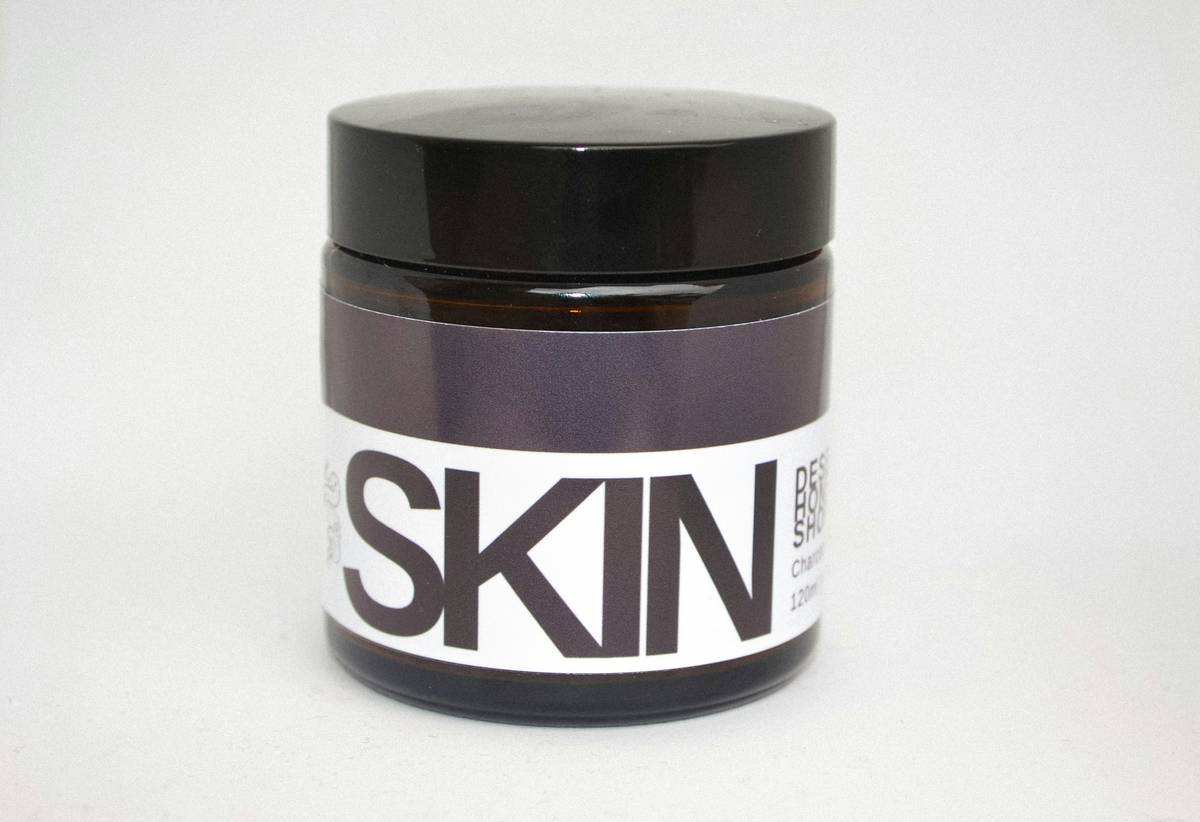
Dry, flaky skin doesn’t just look rough—it feels tight, itchy, and sometimes even cracks. You’ve slathered on lotions that vanish in minutes. Creams that promise “24-hour hydration” but leave your elbows still begging for mercy. Here’s the fix: a rich moisturizer balm can you use strategically—not just anywhere, but where water-based formulas fail.
Why Most Moisturizers Don’t Cut It
Lotions are mostly water—up to 80%. Apply one to parched skin, and it evaporates faster than you’d think. Especially in cold, dry climates or after hot showers. What’s left? Less moisture than you started with. That’s not skincare. That’s self-sabotage.
And creams? They often contain emulsifiers that break down quickly on compromised skin barriers. If your skin is cracked, inflamed, or eczema-prone, lightweight formulas simply glide over the problem without sealing it.
Rich Moisturizer Balm Can You Use: A Precision Approach
Not all balms are created equal—and not every body part needs the same treatment. The key is matching formulation density to skin vulnerability.
Where to Apply (and Where to Avoid)
Use rich balms on high-friction, low-absorption zones: heels, elbows, knees, cuticles. Skip using thick balms on acne-prone areas like the back or chest unless they’re non-comedogenic. Yes, even natural oils can clog pores if layered too heavily.
When to Layer for Maximum Impact
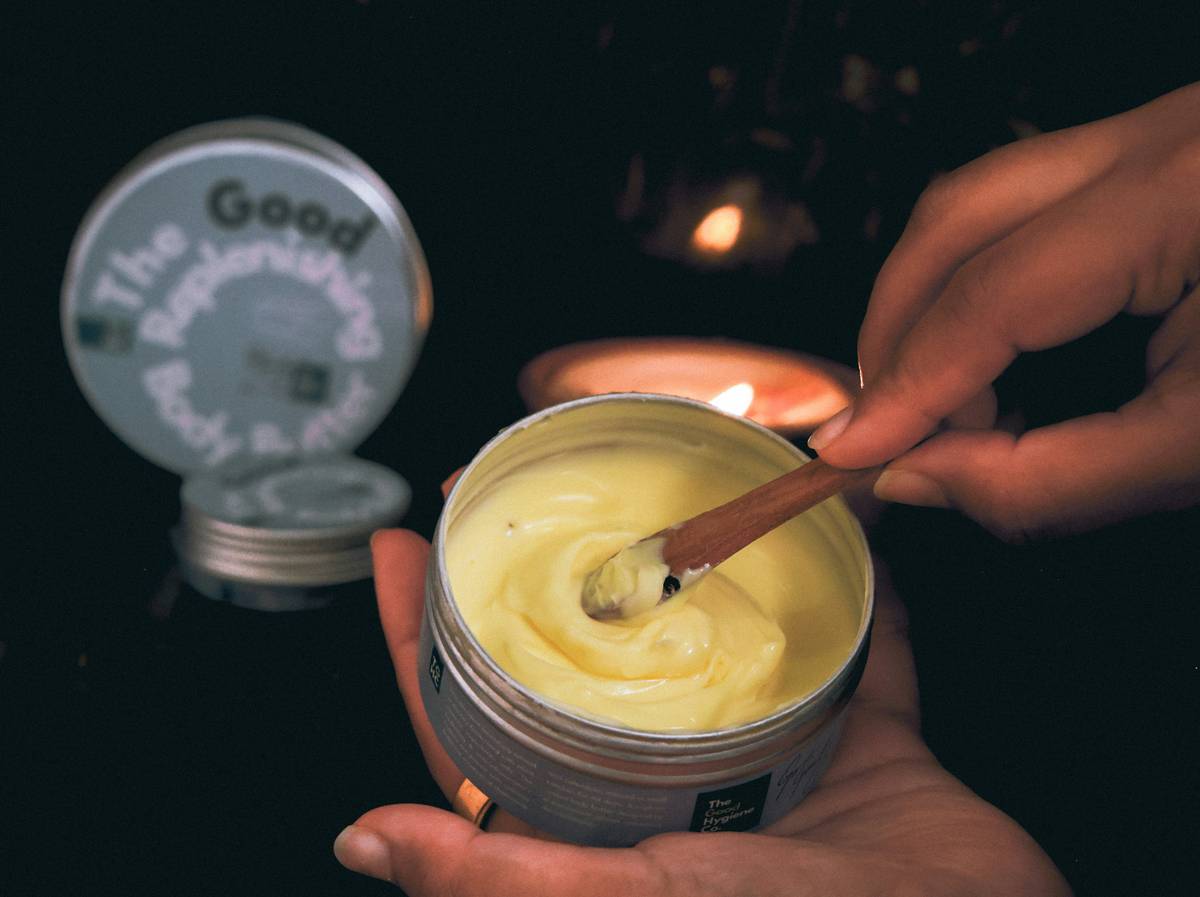
Apply immediately after showering—while skin is damp—but don’t rub it in like lotion. Instead, pat dry, then press the balm onto targeted spots. This traps existing moisture beneath an occlusive shield. Wait 60 seconds before dressing. Let it set.
How Much Is Enough?
A pea-sized amount covers a heel. A fingertip swirl handles both elbows. Over-application leads to pilling, greasy sheets, or wasted product. Less is more—unless you’re treating active fissures. Then, double up at night under cotton gloves or socks.
| Application Zone | Ideal Balm Type | Frequency | Avoid If… |
|---|---|---|---|
| Heels & Feet | Shea butter + beeswax base | Nightly + post-shower | You have open sores (consult derm first) |
| Elbows & Knees | Cocoa butter + squalane | Morning & evening | Using retinoids topically nearby |
| Hands & Cuticles | Lanolin-free vegan wax | After each hand wash | Allergic to plant butters (patch test!) |
| Back & Shoulders | Lightweight balm (jojoba + ceramides) | 2–3x/week max | Prone to body acne |
The Industry Secret: Balms Aren’t Just for Dry Skin
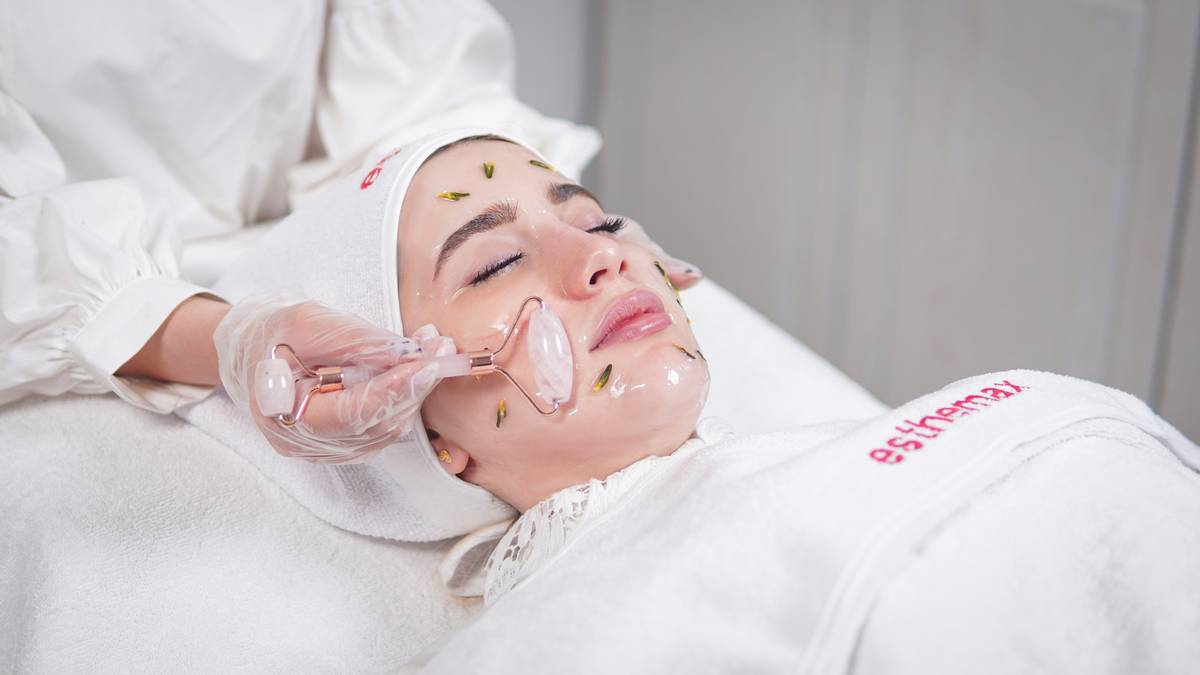
Here’s what cosmetic chemists won’t advertise: rich balms work best as *preventative seals*, not just rescue treatments. Think of them like caulk for your skin barrier. At major dermatology clinics, they prep patients undergoing laser or chemical peels with balm barriers on sensitive zones 48 hours pre-procedure—to minimize irritation and accelerate recovery. Yet brands market them only as “for extremely dry skin,” missing half their potential. Use a thin layer on wind-exposed cheeks before skiing. Swipe over tattooed areas post-ink to lock in pigment and reduce flaking. The math is simple: protection beats correction every time.
FAQ
Can you use rich moisturizer balm on your face?
Only if it’s labeled non-comedogenic and fragrance-free. Most body balms are too heavy for facial pores—stick to dedicated face balms instead.
How often should you apply a rich balm?
Once daily suffices for maintenance. For severely dry or cracked areas, apply twice—morning and night—with occlusion (like cotton socks) at bedtime.
Are natural balms better than synthetic ones?
Not necessarily. Some natural oils oxidize quickly, causing irritation. Look for stabilized formulas with antioxidants like vitamin E—whether plant-derived or lab-made.