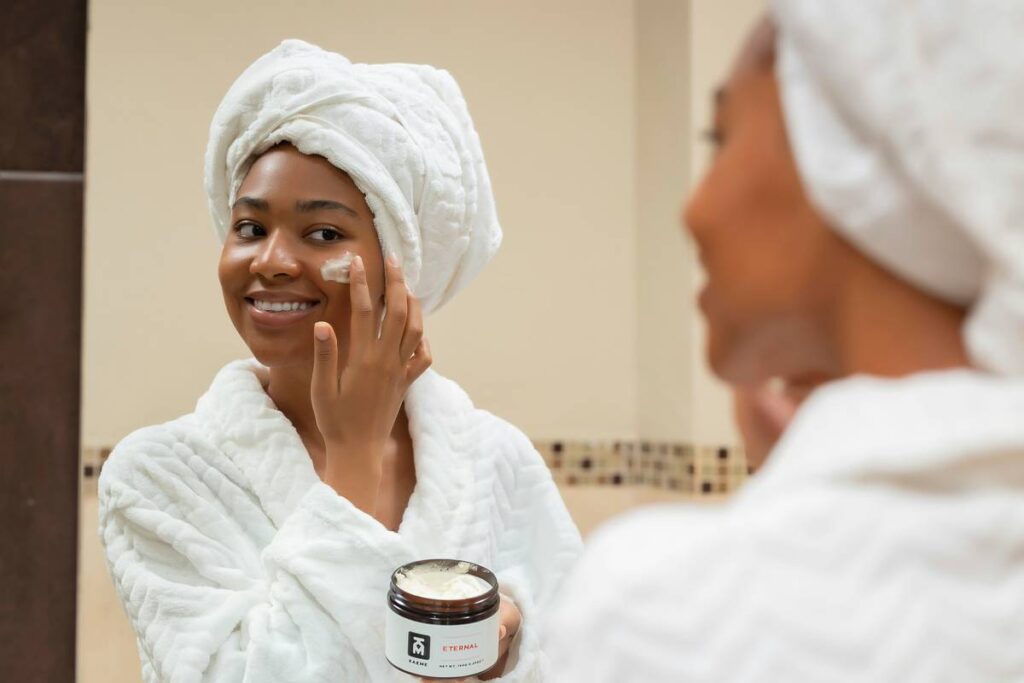
You slather on what you think is a rich moisturizer—only to find your skin still tight, flaky, and begging for relief hours later. Confusion mounts: Is it a hydrating cream? A body balm? Or just marketing fluff? The truth? Most people use these terms interchangeably—and pay the price in dry, irritated skin. Let’s cut through the noise and expose exactly how these formulas differ, why it matters, and which one actually belongs in your routine.
Why Your Skin Still Feels Dry (Even After “Moisturizing”)
Hydrating creams promise water infusion. Body balms promise occlusion. But when brands blur the lines, your skin gets neither. And that’s by design.
Most mass-market “body creams” are water-heavy emulsions loaded with silicones that sit on top like cheap plastic wrap—trapping minimal moisture while evaporating quickly. Meanwhile, true body balms? Often dismissed as “too greasy” despite being the only option capable of sealing in hydration for 12+ hours in harsh climates.
The real failure isn’t your discipline—it’s misclassification. You’re applying a hydrator where you need a barrier… or vice versa.
hydrating cream balm difference between body: A Practical Breakdown
Texture & Absorption Profile
Hydrating creams feel light, sink fast, and vanish within minutes. Body balms? Thick, waxy, and stubborn—they take effort to melt into skin but then stay put. That’s not a flaw. It’s physics.
Core Ingredients Decoded
Creams lean on humectants: glycerin, hyaluronic acid, aloe—pulling water from air (or deeper skin layers). Balms rely on occlusives: beeswax, shea butter, lanolin—building a fortress against transepidermal water loss. One invites moisture in; the other locks it down.
When to Use Which (Seasonal Strategy)
Summer humidity? A hydrating cream may suffice. Winter wind, indoor heating, or post-shower desert-skin? Skip the cream. Go straight for a balm. Your elbows will thank you.
| Factor | Hydrating Cream | Body Balm |
|---|---|---|
| Primary Function | Attract & bind water | Seal existing moisture |
| Base Composition | Water + light oils | Oil/wax + zero water |
| Best Applied To | Damp skin | Dry or severely dehydrated skin |
| Longevity on Skin | 2–4 hours | 8–16 hours |
| Ideal For | Mild dryness, daily maintenance | Cracked heels, eczema-prone zones, cold climates |
The Industry Secret No One Talks About
Here’s what formulators won’t admit: many “luxury” body balms are just overpriced petrolatum with lavender oil. And most “hydrating” creams contain less than 5% actual humectants—the rest? Fillers and preservatives.
But there’s a workaround. Layer smartly. Apply a thin layer of hydrating cream to damp skin first—let it absorb 60 seconds—then seal it with a pea-sized amount of balm on high-loss areas (knees, shins, hands). This hybrid method mimics clinical barrier-repair protocols used in dermatology clinics. The math is simple: hydration without occlusion is wasted effort. Occlusion without hydration is suffocation. Do both—or keep spinning your wheels.
FAQ
Is a body balm better than a hydrating cream?
No—it’s different. Balms excel at sealing moisture; creams excel at delivering it. Use based on skin condition, not preference.
Can I use a hydrating cream and body balm together?
Absolutely. Apply cream to damp skin, wait 1 minute, then dab balm on dry patches. This combo outperforms either alone.
Does “hydrating cream balm difference between body” matter for sensitive skin?
Critically. Creams with alcohol or fragrance can sting. Balms with pure occlusives (like plain shea) often soothe—unless you’re allergic to nut butters.