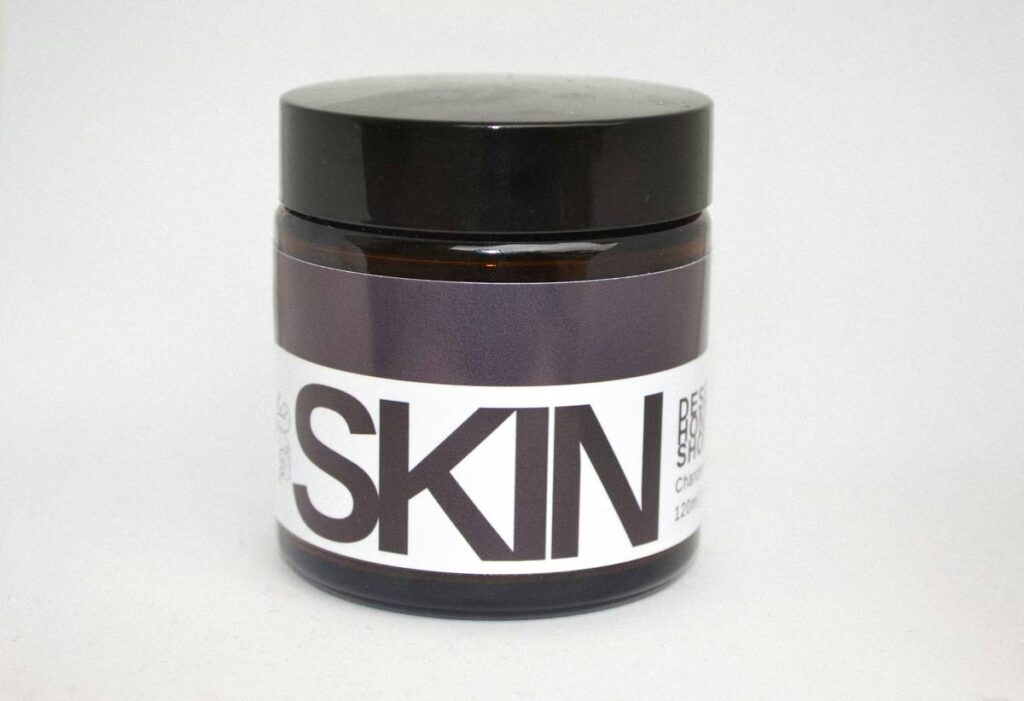
Dry, flaky skin that drinks up lotion like a desert—but still feels tight an hour later. You’ve slathered on creams labeled “intensive,” “hydrating,” even “luxury.” Yet your elbows crack, your shins itch, and winter turns your legs into parchment. The issue isn’t lack of effort. It’s confusion over what your skin actually needs: moisture or occlusion? Here’s the fix most brands won’t spell out.
Why Your Current Routine Fails (Spoiler: It’s Not Just Dry Air)
You’re layering hydrators on compromised barriers—and expecting miracles. Lotions are mostly water with a dash of oil. They feel refreshing, sure. But as that water evaporates, it often pulls existing hydration with it—especially in low-humidity environments. And if your skin barrier is damaged from over-exfoliation, harsh soaps, or conditions like eczema, water-based formulas just slide off or sting. The result? Temporary relief followed by deeper dehydration.
The core misunderstanding? Assuming all “moisturizers” function the same. They don’t. Especially when you compare a lightweight body milk to a dense, wax-based balm.
rich moisturizer balm difference between body: A Practical Breakdown
Let’s cut through the marketing speak. Body care falls into three functional categories based on formulation intent—not texture alone. Understanding this changes everything.
Hydrators vs. Emollients vs. Occlusives: Know Your Role
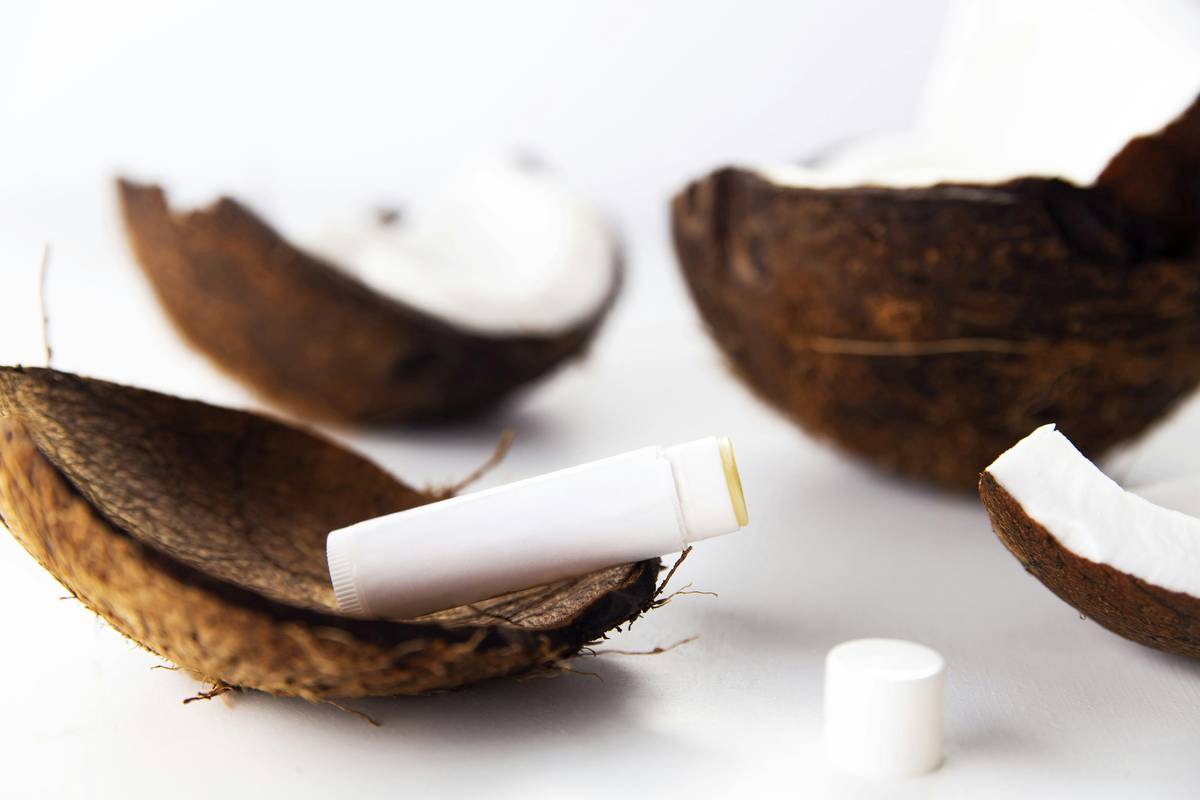
Hydrators (like glycerin or hyaluronic acid) attract water. Emollients (squalane, ceramides) smooth skin by filling gaps between flakes. Occlusives (beeswax, shea butter, petrolatum) seal the deal—literally forming a protective film to prevent transepidermal water loss (TEWL). Most body lotions lean heavily on hydrators with minimal occlusion. Balms? They’re occlusive-first formulations.
When to Reach for a Balm (Not Just “Dry Skin”)
Balms shine where barrier repair is urgent: cracked heels, wind-chapped cheeks, post-shave irritation, or after retinoid use on body acne spots. They’re not meant for daily full-body application under clothes—they’re targeted rescue tools. Using them everywhere can feel greasy and clog follicles. Precision matters.
| Feature | Traditional Body Lotion/Cream | Rich Body Balm |
|---|---|---|
| Primary Function | Hydration + light emollience | Occlusion + barrier reinforcement |
| Water Content | 60–85% | 0–10% (anhydrous or near-anhydrous) |
| Key Ingredients | Aqua, glycerin, dimethicone, light oils | Beeswax, shea butter, lanolin, plant butters |
| Best For | Daily maintenance on normal-to-dry skin | Targeted repair on very dry, cracked, or compromised areas |
| Absorption Time | 30–90 seconds | 2–10 minutes (requires gentle massage) |
The Industry Secret: Balms Aren’t Meant to Replace Moisturizers—They Complete Them
Here’s what cosmetic chemists won’t advertise: layering is key. Apply a water-based serum or toner to damp skin first—this delivers humectants. Then seal it with a balm. This mimics the skin’s natural lipid matrix far better than any single product can. But most consumers apply balms to dry skin, missing the hydration step entirely, then blame the balm for “not working.” The math is simple: no water underneath = nothing to lock in. And yes—this means your expensive balm is half-effective if used solo on parched skin.
FAQ
Is a body balm better than a rich moisturizer?
Not universally. Balms excel at sealing moisture and repairing cracks. Rich moisturizers hydrate and soften daily. Use balms for targeted treatment, not full-body routines.
Can I use body balm on my face?
Only if formulated for facial use. Many body balms contain heavy waxes or comedogenic butters that clog pores. Stick to face-specific occlusives like squalane or non-comedogenic balm blends.
How often should I apply a body balm?
1–2 times daily on problem areas—elbows, heels, knees—until healed. Overuse on healthy skin may cause buildup or folliculitis. Less is more.